Hip Hop Jewelry Care & Maintenance Master Guide 2026
Hip Hop Jewelry Care & Maintenance Master Guide
The complete care system for hip hop jewelry covering Cuban link chains, tennis chains, custom pendants, bracelets, and earrings. Safe cleaning methods, category-specific maintenance, metal and stone care differences, professional service schedules, storage standards, and retailer care programs — written by the manufacturer that builds these pieces, for the retailers and owners who keep them brilliant.
📋 Table of Contents
- 01Why Care Matters — The Economics
- 02The 5-Step Safe Cleaning Process
- 03Category-Specific Care (Big 5)
- 04Metal-Specific Care Rules
- 05Stone-Specific Care Rules
- 06What Destroys Jewelry — Avoid List
- 07Professional Maintenance Schedule
- 08Storage & Travel Standards
- 09Early Warning Signs of Damage
- 10Repair Guide & Costs
- 11Retailer Care Card Programs
- 1217 Critical Care Questions
Why Care Matters — The Economics of Maintenance
Hip hop jewelry care is not cosmetic housekeeping — it is asset protection with measurable economics. A properly maintained 14K gold Cuban chain with VVS moissanite ice-out maintains like-new appearance for 5-7 years and retains strong resale value tied to its gold weight and stone integrity. The identical piece neglected loses visible brilliance within 3-4 months, develops clasp reliability issues within 12-18 months, begins losing stones from worn prongs within 2 years, and loses substantial resale value from surface wear, missing stones, and mechanism failures. The difference between these two outcomes is roughly 20 minutes of home cleaning per month plus one professional service visit per year.
For retailers, the economics compound. The three most common warranty dispute categories in hip hop jewelry retail — stones falling out, plating fading, and clasps failing — trace predominantly to customer care failures rather than manufacturing defects. Retailers who provide structured care education at the point of sale report 40-60% fewer warranty claims, higher review scores, and stronger repeat purchase rates driven by service-visit return traffic. This guide serves both audiences: the jewelry owner protecting their pieces, and the retailer building a care program that protects their margins and reputation.
Jewelry receiving proper care maintains like-new appearance for 5-7 years. Neglected pieces show visible degradation in 12-18 months — a 4-5× lifespan difference determined entirely by owner behavior, not product quality.
The Three Enemies of Hip Hop Jewelry
Every damage pattern in hip hop jewelry traces to three root causes. Chemical exposure — chlorine, sweat, perfumes, lotions, cleaning products — attacks gold alloys, accelerates plating wear, and degrades solder joints holding the piece together. Mechanical stress — impact, snagging, sleeping in jewelry, gym contact — bends prongs, kinks links, stresses bails, and loosens clasps. Accumulation — skin oils, product residue, soap scum — coats stones and metal in films that block light return, making brilliant pieces look flat and gray. Every recommendation in this guide targets one of these three enemies.
The 5-Step Safe Cleaning Process
This is the universal home cleaning method safe for every piece we manufacture — solid gold, plated, and silver construction with moissanite, lab diamond, or CZ stones. It requires only mild dish soap, warm water, a soft-bristle toothbrush, and a lint-free cloth. No specialty products, no risk to settings, no plating damage when soak-time rules are followed.
5-Step Safe Cleaning Process
Products to Never Use
- Toothpaste — contains abrasives that micro-scratch gold surfaces and permanently dull CZ and softer accent stones
- Ammonia-based cleaners on plated pieces — ammonia is acceptable for brief solid-gold use only; on plating it strips layers rapidly
- Boiling water — thermal shock stresses stone settings and can loosen stones seated with any adhesive assist
- Home ultrasonic machines on pave pieces — vibration loosens micro-set stones over repeated cycles; leave ultrasonic to professionals who inspect prongs afterward
- Paper towels for drying — wood fibers are abrasive on high-polish surfaces; use lint-free microfiber only
- Silver dip solutions on gold-plated silver — dips attack the plating and any oxidized design details
Category-Specific Care — The Big 5
Each hip hop jewelry category carries its own failure risks and care priorities. The universal cleaning process applies to all five, but the inspection points, handling rules, and maintenance emphasis differ meaningfully. Below, each category's care card with the specific product type it applies to.
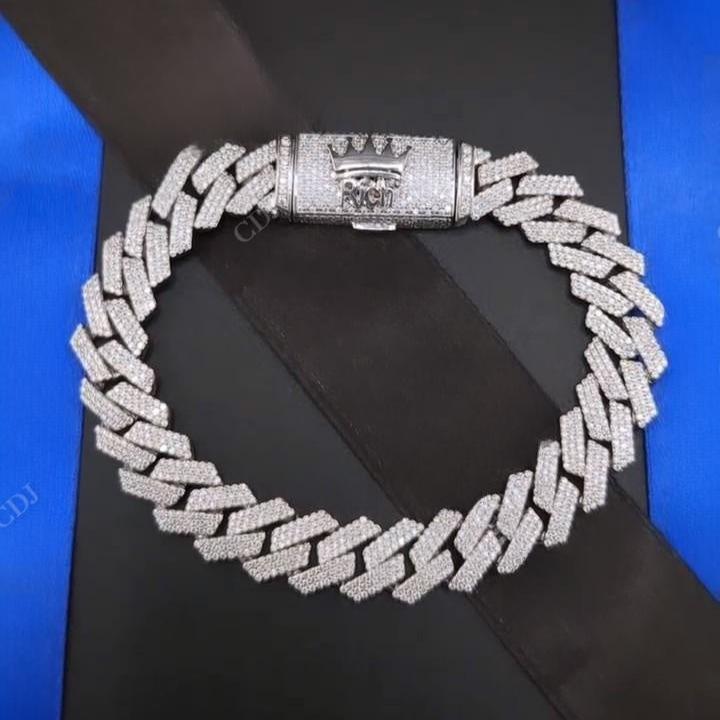
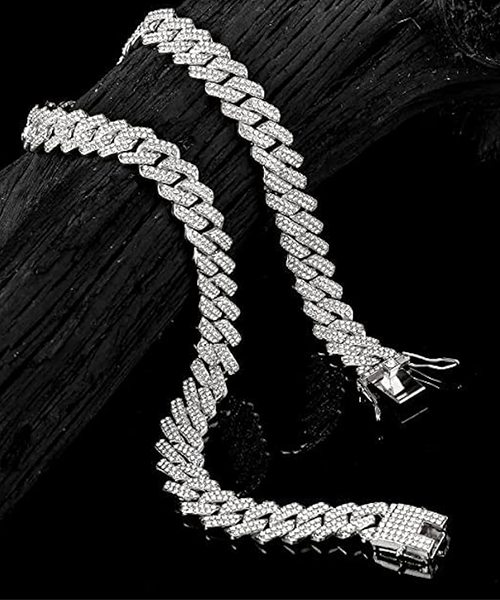
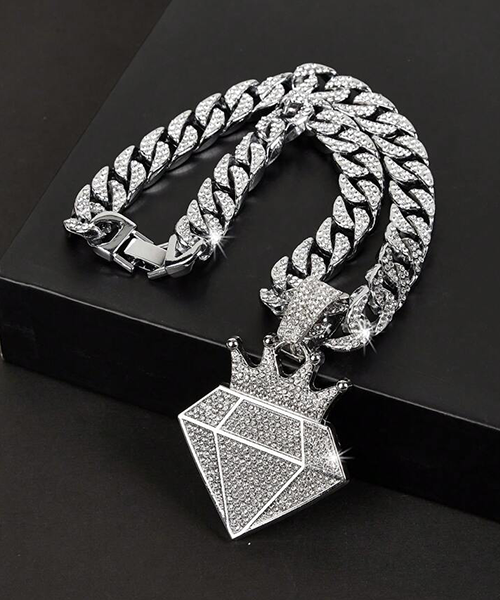
Cuban Chain Care
Brush along link direction to reach interior surfaces. Clean box clasp housing interior and cycle the mechanism during rinse. Hang to air-dry so no moisture stays trapped in link cavities. Hollow chains: gentle pressure only — thin walls dent. Inspect clasp safety locks monthly.
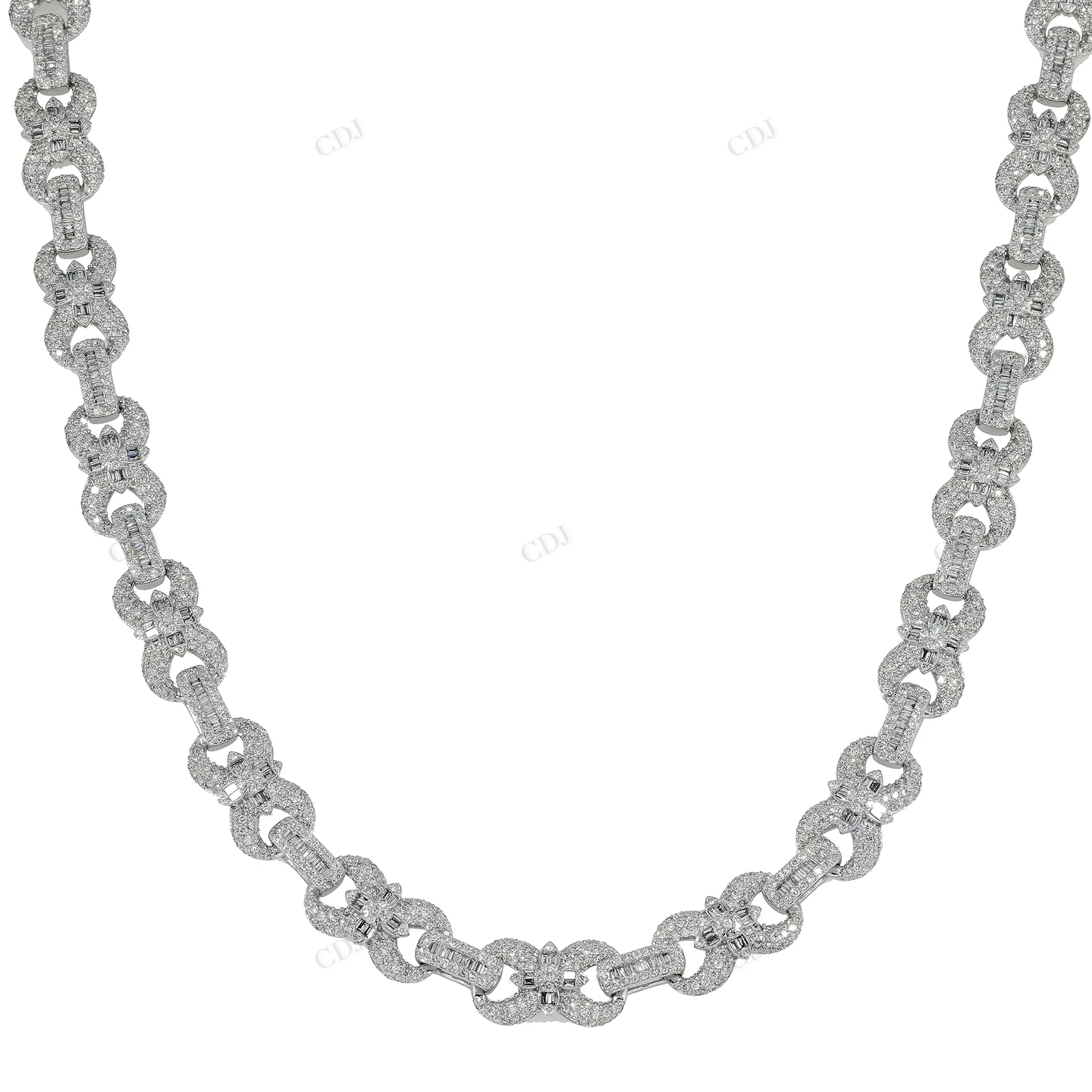
Tennis Piece Care
Highest stone-loss-risk category. Monthly light-check: any stone sitting lower than its neighbors means a bending prong. Quarterly fingertip test across the stone line — movement or clicking means immediate professional tightening. Remove for sleep and exercise. Annual prong service is mandatory for daily wear.

Pendant Care
Extended 15-minute soaks penetrate deep design recesses. Brush into carved details, letter outlines, and pave fields. The bail is the #1 failure point — inspect quarterly for thinning and solder fatigue. Enamel work: never soak; damp-wipe only. Store hanging or flat, never in chain piles.
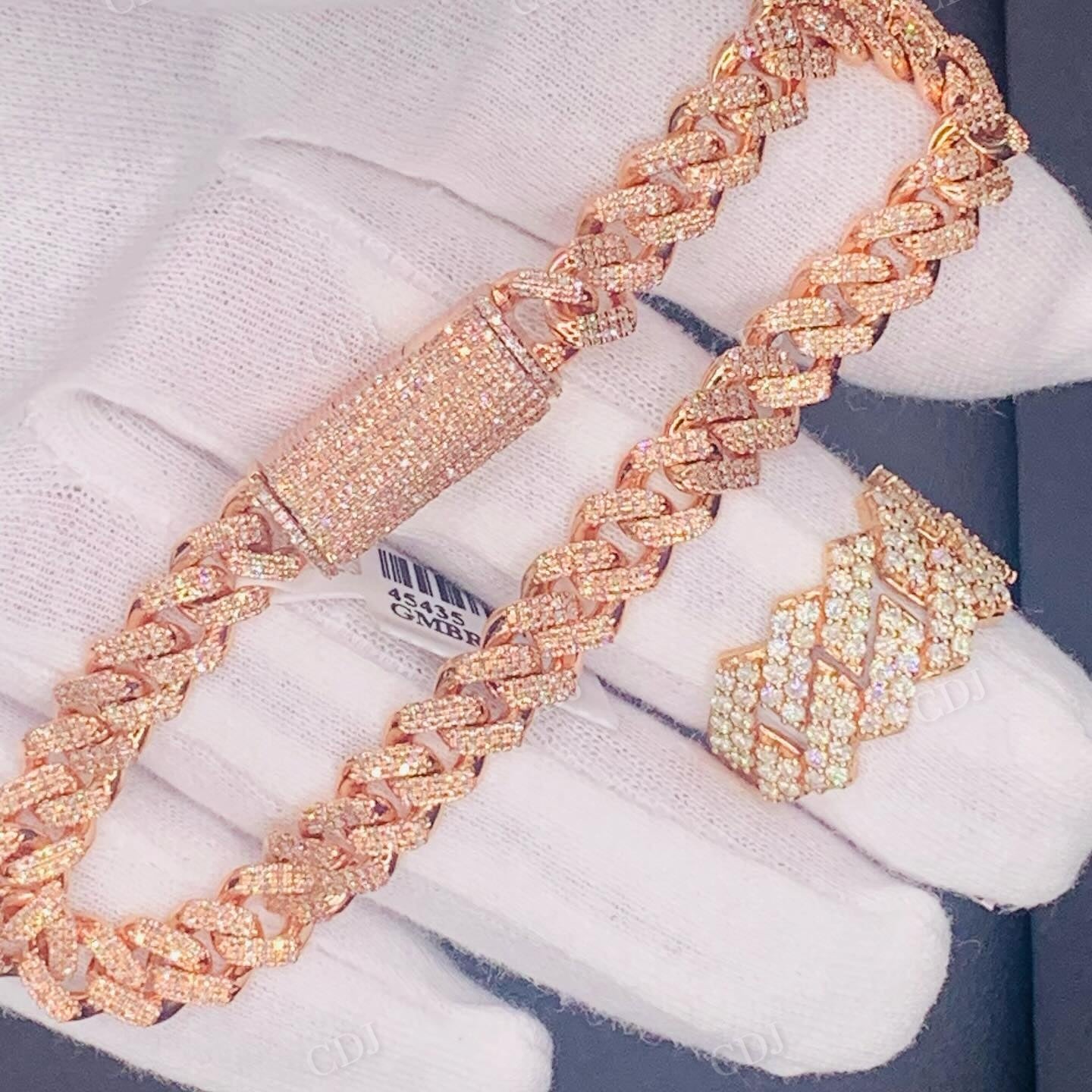
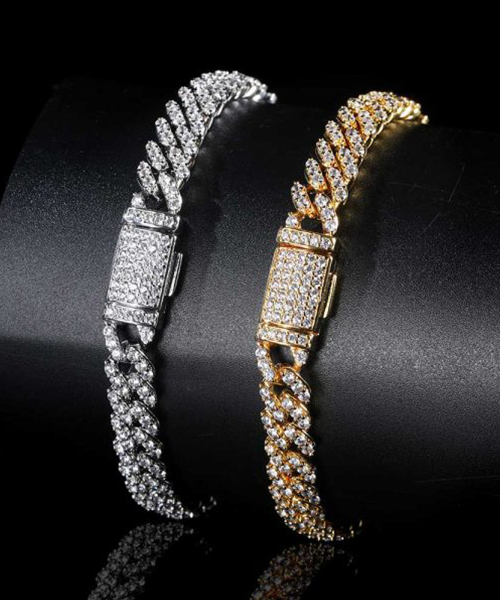
Bracelet Care
Bracelets take more contact stress than any other category — desk edges, keyboards, bar knurling. Rotate wearing position to distribute underside wear. Remove for gym and manual work. Clasp inspection is critical: clasp failure causes 80%+ of bracelet loss. Watch box clasp safety-eight tension.
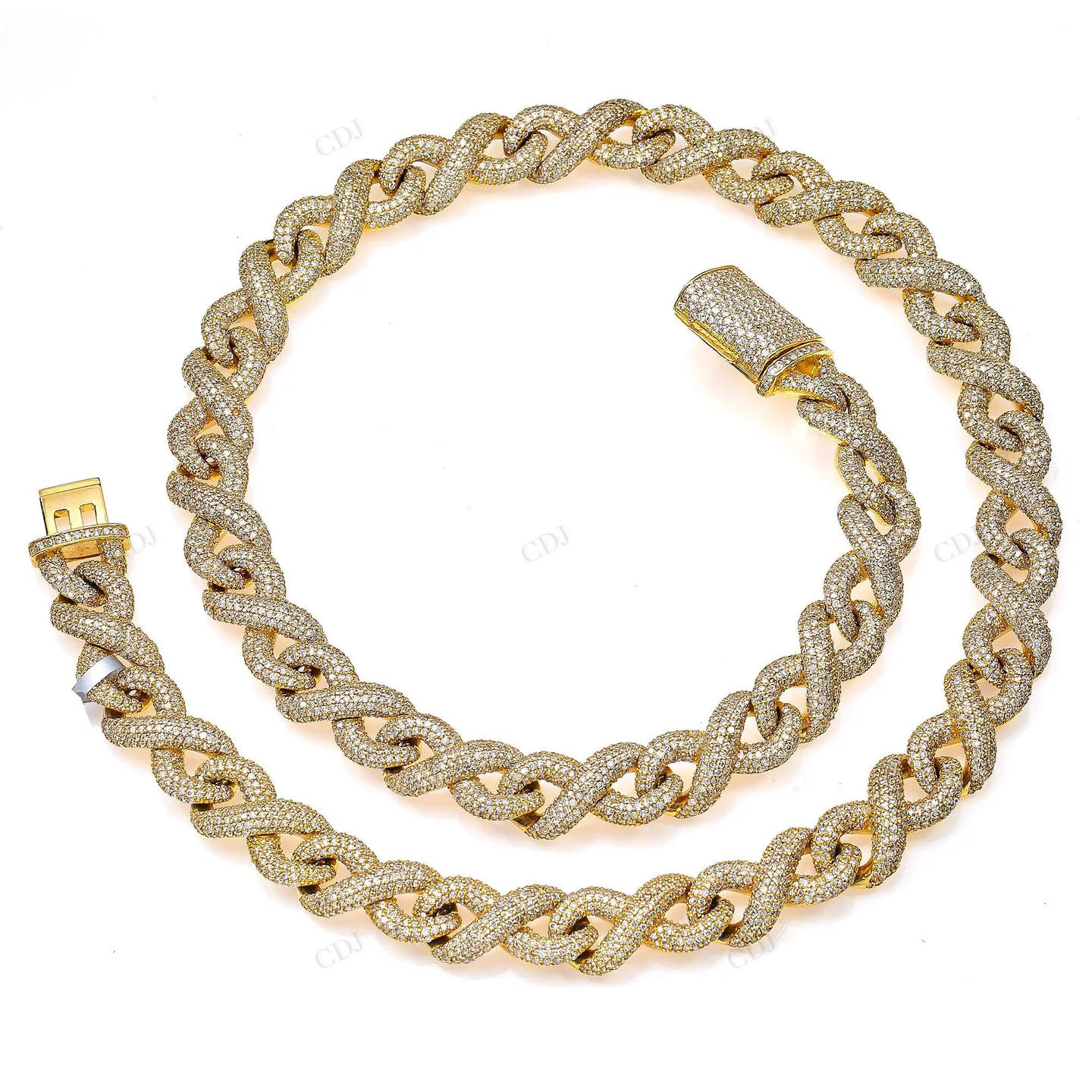
Earring Care
Clean every 1-2 weeks — the most frequent schedule, driven by constant skin, hair product, and cosmetic contact. Wipe posts with isopropyl alcohol every few wears for piercing hygiene (posts only, never plated surfaces). Replace push-backs every 2-3 years. Back failure causes 85% of earring loss.
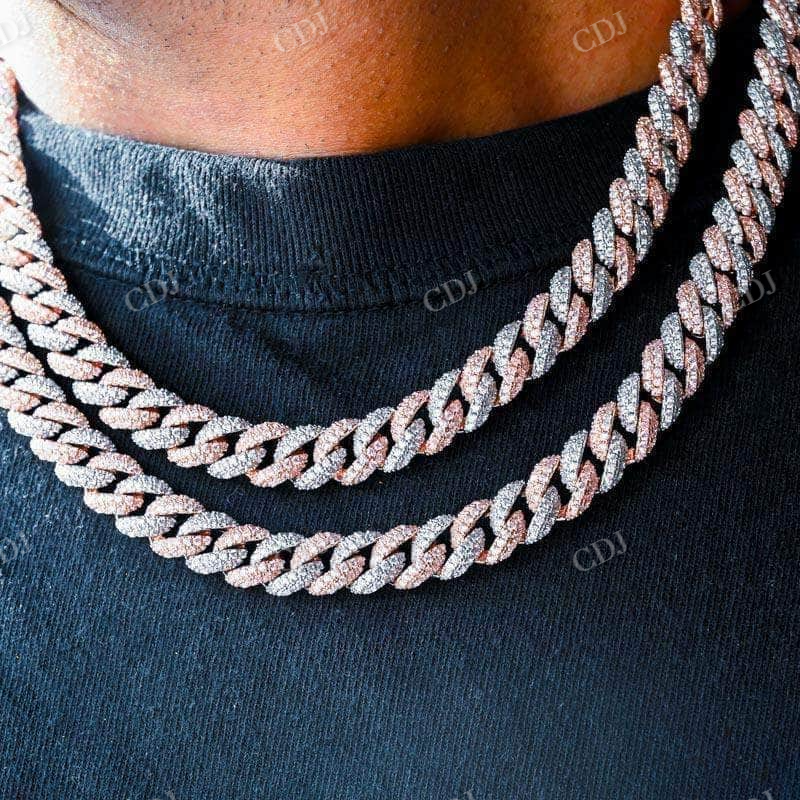
Two-Tone & Iced Care
Two-tone pieces: clean both metal colors identically — never use color-specific polishing compounds that can transfer between zones. Fully iced statement pieces: brush behind every stone row; back-of-stone buildup is why iced pieces go gray. Extra care at solder joints where different gold alloys meet.
🎯 Need a Repair or Professional Service?
As the original manufacturer, we hold the CAD files, stone specifications, and casting molds for every piece we produce — stone-match guaranteed repairs, prong service, re-plating, and clasp replacement with faster turnaround than third-party jewelers.
WhatsApp Service Team Email Repair InquiryMetal-Specific Care Rules
The same cleaning process applies to every metal, but soak times, brush pressure, and long-term maintenance differ by construction. These are the metal-specific rules that prevent the most common care mistakes.
Solid Gold (10K / 14K / 18K)
Solid gold is the most forgiving construction — it does not tarnish, does not fade, and tolerates unlimited cleaning cycles. The only long-term wear pattern is micro-scratching that gradually converts mirror polish to satin over 1-3 years of daily wear; professional re-polishing every 2-3 years reverses this completely. Karat matters for handling: 18K gold is noticeably softer than 14K and 10K, so 18K pieces need gentler brush pressure, more careful storage separation, and more conservative activity removal habits. 10K is the hardest and most scratch-resistant of the three. Chlorine remains the one chemical enemy — it doesn't attack pure gold but degrades the alloy metals and solder joints, which is why even solid gold comes off before swimming.
Gold-Plated 925 Silver
Plated construction requires the most care discipline because the gold layer is finite. Quality plating (3-5 micron over rhodium underlay) lasts 18-36 months of daily wear before edge wear appears at contact points; standard 1-micron flash plating shows wear in 6-12 months. The five plating preservation rules: jewelry on last and off first around all body products; no swimming, showering, or exercise wear; 5-minute maximum soak times; minimal brush pressure; individual pouch storage away from harder pieces. When wear appears, re-plating service at $25-95 per piece restores original appearance — budget for this as scheduled maintenance rather than treating it as failure.
Two-Tone Construction
Two-tone pieces combining yellow, white, and rose gold zones need one special rule: never use metal-specific polishing compounds or dips, which can transfer between color zones and create visible discoloration at boundaries. The mild soap process treats all zones safely and identically. Two-tone pieces also concentrate stress at the solder joints where different alloys meet — inspect these junction points during monthly checks, particularly on two-tone Cuban links where alternating link colors mean many joints.
Rhodium-Plated White Gold
White gold pieces carry rhodium plating that creates the bright white surface — the underlying alloy is slightly warmer in tone. This rhodium layer wears like any plating, typically showing warm undertone patches after 2-4 years of daily wear. Rhodium refresh service ($40-90 per piece) restores the bright white finish. White gold pieces otherwise follow solid gold care rules with normal soak times and standard brush pressure.
Stone-Specific Care Rules
The three stone types in modern hip hop jewelry — VVS moissanite, lab-grown diamond, and premium CZ — differ in hardness, longevity, and cleaning payoff. Knowing which stones a piece carries determines its realistic maintenance expectations.
VVS Moissanite (9.25 Mohs)
Moissanite is functionally scratch-proof in normal wear and maintains its brilliance indefinitely with cleaning. Its one care quirk is perceptual: moissanite's exceptional dispersion (0.104 — more than double diamond's 0.044) means the visible difference between clean and oil-filmed moissanite is dramatic. Owners often believe their moissanite is "losing fire" when it simply needs cleaning; a proper 5-step clean restores full rainbow dispersion every time. The stone itself never degrades. Clean behind stones especially — moissanite's brilliance depends on light entering from the crown and returning, and back-of-stone grime blocks that light path more visibly than on lower-dispersion stones.
Lab-Grown Diamond (10 Mohs)
Lab diamonds are chemically identical to natural diamonds — maximum hardness, indefinite brilliance, zero degradation with age. Care attention goes entirely to the settings holding them: prong inspection schedules matter more on lab diamond pieces because per-stone replacement cost is significantly higher than moissanite. Keep certification documents (IGI/GIA reports) stored safely; certificates support insurance claims and resale, and stone replacement after loss requires matching the certified specifications. Diamond's grease-attraction is real — diamonds attract oil films faster than most gems, so lab diamond pieces benefit from the same 1-2 week cleaning cycle as moissanite despite being harder.
Premium CZ (8-8.5 Mohs)
CZ requires honest expectations: it is the one stone type that genuinely wears out. CZ's lower hardness means daily wear accumulates micro-scratches that permanently reduce surface polish over time, and its structure absorbs oils in a way that progressively dulls even with cleaning. Typical CZ lifespan in daily-wear pieces is 3-5 years before stones look noticeably tired regardless of care quality. For retailers, this is a customer conversation at purchase: CZ delivers exceptional entry-tier value, and stone replacement service ($8-25 per stone) refreshes pieces affordably when the time comes. CZ pieces should never go in ultrasonic cleaners — the stones can fracture under cavitation stress.
Moissanite and lab diamond never wear out — only their settings need maintenance. CZ does wear out in 3-5 years of daily wear — plan for affordable stone refresh service rather than expecting permanence.
What Destroys Jewelry — The Avoid List
Nearly all hip hop jewelry damage traces to six exposure categories. Removing jewelry for these situations prevents the overwhelming majority of repairs.
| Exposure | Damage Mechanism | Most Affected | Rule |
|---|---|---|---|
| Swimming / Hot Tubs | Chlorine attacks alloys, plating, solder joints | Plated pieces, all clasps | Always remove — #1 chemical threat |
| Exercise / Sports | Impact bends prongs; sweat corrodes; snag risk | Tennis pieces, bracelets | Remove for all training |
| Sleep | Pillow friction stresses prongs, bails, backs | Earrings, pendants, tennis | Remove pieces above $500 |
| Manual Work / Gym Bars | Abrasion wears metal faster than years of wear | Bracelets, rings | Remove before gripping work |
| Household Chemicals | Bleach/ammonia discolor metal, etch soft stones | All pieces | Remove for cleaning tasks |
| Beach / Saltwater | Sand abrades polish; salt corrodes mechanisms | Hollow chains, clasps | Remove or rinse immediately after |
The Perfume & Product Rule
The single highest-frequency care mistake is applying body products over jewelry. Perfume, cologne, lotion, sunscreen, hairspray, and styling products all deposit films that dull stones immediately and chemically accelerate plating wear over time. The rule is simple and absolute: jewelry goes on last, comes off first. Apply everything, let it absorb or dry, then put on jewelry. This one habit change extends plated piece life by a year or more and cuts cleaning frequency needs meaningfully.
Professional Maintenance Schedule
Home cleaning maintains appearance; professional maintenance prevents failures. This is the complete service calendar from weekly habits through multi-year professional cycles.
Complete Maintenance Timeline
The annual professional service visit is the anchor of the entire schedule. In one appointment, a jeweler inspects and tightens every prong, ultrasonic-cleans crevices home methods can't reach, tests clasp mechanisms under load, and identifies developing problems while they're still inexpensive to fix. For daily-wear tennis pieces this annual visit is not optional — it is the difference between a piece that keeps every stone for a decade and one that sheds stones from year two onward.
Storage & Travel Standards
More surface damage happens in storage than during wear. Metal-on-metal contact between pieces is the leading cause of scratching — even diamond-set pieces scratch the gold surfaces of neighboring items in a shared box.
- One piece, one compartment — individual soft pouches or lined compartments for every piece, no exceptions for "just tonight"
- Chains hang or lie extended — coiled storage kinks Cuban links and stresses tennis settings at bend points; padded hooks or full-length flat trays
- Earrings stay paired with backs attached — backs separated from posts disappear; dedicated small compartments keep pairs and backs together
- Climate stability — humidity accelerates tarnish on silver-based pieces and inside hollow chain cavities; anti-tarnish strips help in humid climates
- Keep original packaging — manufacturer boxes and pouches are sized for the specific piece; they remain the best storage option
- Travel in padded cases — individual-compartment jewelry cases only; never loose pieces in toiletry bags where impact and abrasion are constant
- High-value collections — aggregate value above $10,000 warrants a padded home safe plus insurance appraisal documentation stored separately
- Document everything — certificates, invoices, and appraisal photos stored digitally support insurance claims and resale; photograph pieces annually
Early Warning Signs — Catch Problems Cheap
Every expensive jewelry failure telegraphs itself first. These are the early signals that a $15 fix is about to become a $200 loss if ignored.
| Warning Sign | What It Means | Action | Cost If Ignored |
|---|---|---|---|
| Stone sits lower than neighbors | Prong bending underneath | Professional tightening now | Lost stone + re-set: $50-180 |
| Stone rotates or clicks when touched | Prong grip failing | Stop wearing until serviced | Lost stone, often unnoticed for days |
| Clasp needs two attempts to lock | Mechanism wear or debris | Clean clasp; service if persists | Lost piece — total value |
| Safety-eight swings loose | Safety mechanism fatigue | Re-tension service | No backup when main clasp fails |
| Chain doesn't hang straight | Kinked or stretched link | Link repair before it breaks | Chain break + possible loss |
| Bail looks thinner than before | Swivel wear fatigue | Bail replacement: $35-85 | Dropped pendant — total value |
| Earring back slides on easily | Push-back friction worn out | Replace backs: $5-20 | Lost earring — half-pair worthless |
| Warm patches on white gold | Rhodium plating worn through | Rhodium refresh: $40-90 | Cosmetic only, but progressive |
Repair Guide — What's Fixable & What It Costs
Nearly all hip hop jewelry damage is repairable. The repair economics favor original-manufacturer service: as the manufacturer, we hold the CAD files, stone specifications, and casting molds for every piece we produce, which means exact stone matching, correct alloy matching for solder work, and original-mold part replacement that third-party jewelers cannot offer.
Standard Repair Menu (2026 Pricing)
- Lost stone replacement — $15-80 per moissanite stone including re-setting; lab diamond stones priced by certified size match
- Prong re-tipping — $10-25 per prong; full tennis piece prong service typically $80-220 depending on stone count
- Clasp replacement — $40-180 depending on type; box clasps with double safety at the higher end, lobster clasps at the lower
- Link repair / re-soldering — $30-90 for kinked or broken Cuban links with alloy-matched solder
- Bail replacement — $35-85 for worn pendant bails, upgraded heavy-duty bails available for large pendants
- Full re-plating — $25-95 per piece restoring plated pieces to original appearance
- Rhodium refresh — $40-90 for white gold pieces showing warm undertone wear
- Full re-polish — $45-120 removing accumulated micro-scratches and restoring mirror finish on solid gold
- Earring back replacement — $5-20 for push-backs; $25-65 for screw-back post conversion upgrades
What's Hard to Repair
Three damage types have limited repair options and are worth preventing above all else. Dented hollow chains: hollow construction cannot be fully restored to original shape once walls deform — the repair is often link replacement rather than reshaping. Deep gouges requiring heavy metal removal: each polishing pass removes a small amount of gold, and deep damage may leave visible thinning after correction. Enamel damage on custom pendants: re-enameling is a specialty service with color-matching challenges on older pieces. All three trace back to impact exposure — the strongest argument for the activity-removal rules in Section 6.
Retailer Care Card Programs — The B2B Angle
For wholesale buyers and retailers, care education is a profit tool. Structured care programs measurably reduce warranty claims, improve review scores, and drive service-visit return traffic that converts to repeat purchases. The mechanics are simple and cheap to implement.
What a Care Program Includes
- Printed care card with every sale — the 5-step cleaning process, activity avoid-list, and maintenance schedule on a branded card customers keep
- Branded microfiber cloth — a $0.40-0.80 wholesale item that customers use weekly and associate with your store every time
- Soft storage pouch — establishes correct storage from day one and reinforces premium positioning
- Soft-bristle brush in the kit — including the correct tool dramatically raises the odds customers actually follow the cleaning routine
- 12-month service reminder — QR code linking to your cleaning-service booking or a dated reminder card; every service visit is a repeat-sale opportunity
- Clear warranty language — documenting what proper care preserves versus what neglect voids prevents the majority of warranty disputes before they start
The Numbers That Matter
Complete care kits assemble at $3-8 per unit wholesale cost. Against that investment: retailers running care programs report 40-60% fewer warranty claims in the three most-disputed categories (stone loss, plating wear, clasp failure), meaningfully better review scores because the most common negative-review themes are care-failure experiences, and steady service-visit traffic where customers returning for professional cleaning convert to new purchases at strong rates. Volume wholesale orders through CDJ can include custom-branded care card printing and kit assembly as part of packaging services — ask about care program add-ons when placing orders of 25+ pieces.
The most common negative review themes in hip hop jewelry retail — stones falling out, plating fading, chains breaking — are predominantly care failures, not product defects. Care education at the point of sale prevents the experiences that generate bad reviews.
17 Critical Care Questions Answered
How often should hip hop jewelry be cleaned?
Cleaning frequency depends on wear pattern and category. Daily-wear pieces (chains, bracelets, earrings worn most days) should be cleaned every 1-2 weeks using mild dish soap, warm water, and a soft-bristle brush. Occasional-wear pieces need cleaning every 4-6 weeks or after each high-exposure wear session. Earrings require the most frequent attention at every 1-2 weeks due to constant skin contact, hair product exposure, and facial oil accumulation. Iced-out pieces show dullness faster than plain metal because oil films coat stone surfaces and block light return — a piece that looks noticeably less brilliant than when purchased is overdue for cleaning. Professional ultrasonic cleaning every 12-18 months supplements home cleaning for deep crevice restoration.
What's the safest way to clean iced-out jewelry at home?
The safest home method follows a 5-step process using only mild materials. First, mix a few drops of mild dish soap into warm (never hot) water. Second, soak the piece 10-15 minutes to loosen oil and grime — limit plated pieces to 5 minutes. Third, brush gently with a soft-bristle toothbrush across link crevices, behind stones, and around prongs where buildup concentrates. Fourth, rinse thoroughly in a bowl of clean lukewarm water — never over an open drain where a dropped piece can be lost. Fifth, pat dry with a lint-free cloth and air-dry completely before wearing or storing. Avoid ammonia on plated pieces, toothpaste, boiling water, and home ultrasonic machines on pave-set pieces. This method is safe for moissanite, lab diamond, and CZ stones in solid gold, plated, and silver settings.
Can I use an ultrasonic cleaner on hip hop jewelry?
Ultrasonic cleaning is safe for some categories and risky for others. Safe: solid gold Cuban chains and bracelets without stones, bezel-set single stones, and solid pendants without pave work. Risky: pave and micro-pave iced pieces where vibration can loosen small stones over repeated cycles, tennis chains and bracelets with hundreds of individually prong-set stones, plated pieces where cavitation accelerates plating wear, and any piece with existing loose stones. Professional jewelers using commercial ultrasonic equipment inspect prong integrity before and after cleaning and re-tighten settings as part of service — which is why professional ultrasonic every 12-18 months is recommended over home machines for iced pieces. Home units should be limited to plain metal pieces only.
How do I clean a Cuban link chain without damaging it?
Cuban chain cleaning targets the interlocking link crevices where oil and grime concentrate. Lay the chain flat and work section by section with a soft-bristle toothbrush dipped in mild soap solution, brushing along the link direction rather than across it to reach interior link surfaces. Pay special attention to the clasp — box clasps accumulate debris inside the housing that interferes with the locking tongue; brush the clasp interior gently and work the mechanism several times during rinsing. For iced Cuban chains, brush behind each stone row where skin contact deposits oil films. After rinsing, hang the chain to air-dry fully so no moisture stays trapped inside link cavities. Solid gold tolerates regular cleaning indefinitely; hollow chains need gentler pressure because thin walls can deform; plated chains should limit soak time to 5 minutes.
How do I keep a tennis chain from losing stones?
Tennis piece stone loss prevention centers on prong maintenance because prong failure causes nearly all tennis stone loss. First, monthly visual inspection: hold the piece to light and look for stones sitting lower than neighbors, visible prong gaps, or stones that rotate — all early failure signs. Second, quarterly touch test: run a fingertip lightly across the stone line; any stone that moves or clicks needs immediate professional tightening. Third, remove tennis pieces during sleep, exercise, and impact activities — prongs bend from contact stress, not normal wear. Fourth, schedule professional prong inspection and tightening every 12 months for daily-wear pieces. Fifth, avoid snag exposure from loose knits, bag straps, and seatbelts that catch and bend prongs. Single lost-stone repair costs far more than annual maintenance.
How should custom pendants be cared for?
Custom pendant care addresses intricate design details with deep crevices and dense stone setting that accumulate buildup faster than simpler pieces. Clean every 2-3 weeks using extended 15-minute soaks that penetrate design recesses, followed by careful soft-brush work into carved details, letter outlines, and pave fields. Support the bail during cleaning — bails endure constant swivel stress and are the most common pendant failure point; inspect the bail connection quarterly for thinning or solder fatigue. For pendants with enamel or colored accent work, avoid soaking entirely and wipe with a barely-damp cloth, since prolonged water exposure can compromise enamel adhesion. Store pendants hanging or flat in individual pouches — never in tangled chain piles. Remove before sleeping to prevent bail stress and chain kinking.
What's different about earring care versus chain care?
Earring care differs in three ways driven by ear contact conditions. First, cleaning frequency doubles: every 1-2 weeks versus 2-3 weeks for chains, because earrings sit in direct contact with skin oils, hair products, shampoo residue, and cosmetics continuously. Second, back mechanism maintenance is unique: push-backs lose friction grip and need replacement every 2-3 years on daily-wear pairs; screw-backs need periodic thread cleaning; all backs should be checked monthly since back failure causes 85% of earring loss. Third, hygiene matters beyond appearance: earring posts pass through pierced skin, so wiping the post with isopropyl alcohol every few wears prevents bacterial buildup — applied only to the post, never to plated decorative surfaces or enamel.
How do I prevent gold plating from wearing off?
Plating preservation extends plated jewelry life from a typical 12-18 months to 3+ years through five practices. First, apply all body products before jewelry — lotions, perfumes, sunscreens, and hair products chemically accelerate plating wear; jewelry goes on last, comes off first. Second, remove plated pieces before swimming (chlorine attacks plating aggressively), showering, and exercise. Third, clean gently: 5-minute maximum soaks, minimal brush pressure, no abrasive cloths or polishing compounds. Fourth, store in individual soft pouches away from harder jewelry. Fifth, plan for plating refresh every 18-36 months at $25-95 per piece — quality re-plating restores original appearance. Pieces with 3-5 micron heavy plating over rhodium underlayers last significantly longer than 1-micron flash plating.
Does moissanite require different care than diamond?
Moissanite and lab diamond require nearly identical care with two practical differences. Both rank near the top of the hardness scale (9.25 and 10 Mohs), resist scratching in normal wear, tolerate standard mild soap cleaning, and maintain brilliance indefinitely. First difference: moissanite shows oil film dullness more visibly because its higher dispersion makes brilliance loss more noticeable when a film coats the surface — the payoff from regular cleaning is visually greater. Second difference: moissanite's brilliance depends heavily on clean back facets, so brushing behind stones matters especially. For both stones, chlorine doesn't damage the stones but degrades the gold alloys and solder holding them. CZ genuinely requires gentler treatment: it's softer (8-8.5 Mohs), accumulates permanent micro-scratches, and typically needs replacement after 3-5 years of daily wear regardless of care.
What activities should I remove hip hop jewelry for?
Six activity categories warrant removal. First, swimming and hot tubs: chlorine attacks gold alloys, plating, and solder joints — the single most damaging regular exposure. Second, exercise and sports: impact bends prongs, sweat corrodes, and equipment contact scratches; contact sports add snag injury risk. Third, sleep: pillow friction stresses prongs and bails, chains kink, and earring backs loosen — remove pieces above $500 before bed. Fourth, manual work and gym training: bar knurling and grip friction abrade surfaces faster than years of normal wear. Fifth, cleaning tasks: bleach, ammonia, and solvents permanently discolor metals. Sixth, beach days: sand micro-scratches polished surfaces and saltwater corrodes clasp mechanisms and hollow chain interiors.
How should hip hop jewelry be stored?
Store each piece in its own compartment or soft pouch — metal-on-metal contact is the leading cause of scratching, and even diamond-set pieces scratch the gold of neighboring items. Chains hang on padded hooks or lie flat fully extended; coiled storage kinks Cuban links and stresses tennis settings. Earrings pair in dedicated compartments with backs attached to posts. Maintain stable climate — humidity accelerates tarnish on silver-based pieces; anti-tarnish strips help in humid regions. Keep original manufacturer boxes and pouches, which are sized for the piece. For travel, use padded cases with individual compartments, never loose pieces in toiletry bags. Collections above $10,000 aggregate value warrant a padded home safe plus insurance appraisal documentation stored separately.
How often does hip hop jewelry need professional maintenance?
Professional maintenance follows category-specific intervals. Every 12 months: prong inspection and tightening for tennis chains, tennis bracelets, and prong-set studs — the highest stone-loss-risk categories; clasp mechanism inspection for daily-wear chains and bracelets. Every 12-18 months: professional ultrasonic cleaning with inspection for all iced pieces. Every 18-36 months: plating refresh for plated pieces ($25-95). Every 2-3 years: push-back replacement on daily-wear earrings; light re-polishing for solid gold. As-needed immediately: any stone that moves when touched, any clasp that fails to lock positively, any chain kink, or any bail showing thinning. Documented maintenance also supports insurance claims and preserves resale value.
Why does my chain look dull even though it's real gold?
Dullness on genuine gold comes from surface accumulation, not metal degradation — solid gold does not tarnish or fade. The most common cause is oil film: skin oils, lotion, and product residue build an invisible coating within 1-2 weeks of daily wear that scatters light instead of reflecting it. The second is soap scum from showering in jewelry. The third is micro-scratching: thousands of tiny scratches gradually convert mirror polish to satin over 1-3 years — normal wear reversed by professional re-polishing. The fourth on iced pieces is stone-back buildup: grime behind stones blocks the light entry that creates brilliance, making stones look gray. A proper 5-step clean fixes the first two immediately; professional polishing addresses the third; thorough back-of-stone brushing resolves the fourth.
Can damaged hip hop jewelry be repaired?
Most damage is repairable through standard services. Highly repairable: lost stones (replacement and re-setting from $15-80 per moissanite stone), bent or worn prongs (re-tipping at $10-25 per prong), broken clasps ($40-180), kinked links ($30-90), worn plating ($25-95 full re-plate), and thinned bails ($35-85). Moderately repairable: dented hollow chain links (limited options — hollow construction often can't fully restore), deep scratches requiring metal removal, and enamel damage (specialty re-enameling). Original manufacturers offer the best repair matching since they hold the CAD files, stone specifications, and casting molds — CDJ provides repair services for all manufactured pieces with stone-match guarantee. Third-party jewelers handle standard repairs but may struggle matching specialty stones or custom elements.
How do retailers benefit from providing care guidance?
Retailers providing structured care guidance capture four measurable benefits. First, warranty claim reduction: customers following documented care practices generate 40-60% fewer claims for stone loss, clasp failure, and plating wear — the three most disputed categories. Second, repeat purchase acceleration: care programs keep the retailer brand in front of customers between purchases, and service-visit returns convert to new purchases at meaningful rates. Third, review improvement: the most common negative review themes trace to customer care failures rather than product defects — proactive education prevents the experiences behind bad reviews. Fourth, premium positioning: branded care cards, cloths, and maintenance documentation signal quality-brand positioning that supports higher price points. Wholesale buyers can request care card templates customized with their store branding as part of volume order packaging.
What should be in a customer care kit for hip hop jewelry?
An effective care kit includes six components. First, a printed care card with the 5-step cleaning process, activity avoid-list, and maintenance schedule. Second, a branded microfiber polishing cloth for between-cleaning touch-ups. Third, a soft storage pouch sized for the piece, establishing correct storage habits from day one. Fourth, a small soft-bristle brush — including the correct tool dramatically increases cleaning compliance. Fifth, a maintenance reminder: a QR code linking to the retailer's cleaning-service booking or a dated 12-month prong inspection card. Sixth, clear warranty documentation stating what proper care preserves versus what neglect voids. Kits assemble at $3-8 per unit wholesale and measurably reduce warranty claims while driving service-visit return traffic. Volume orders can include custom-branded kit assembly as a packaging service.
Is it safe to shower with hip hop jewelry on?
Showering in hip hop jewelry is not recommended for any construction type, though the damage severity varies. For plated pieces, showering is genuinely harmful: soap film bonds to surfaces, hot water and soap chemistry accelerate plating wear, and daily shower exposure can cut plating life in half. For solid gold pieces, the metal itself is unharmed, but soap scum builds a progressive dulling film on both metal and stones, shampoo and conditioner residue collects behind stones and inside link cavities, and constant moisture cycling stresses clasp springs over time. For silver-based pieces, shower humidity accelerates tarnish. The practical rule: solid gold worn in an occasional shower suffers only added cleaning needs, but habitual shower wear degrades every construction type's appearance and mechanisms. Jewelry comes off before the bathroom, goes on after products are applied and dry.
Jewelry Built to Last — From the Manufacturer
Every care recommendation in this guide comes from the workshop floor. As the manufacturer, we build the prongs, set the stones, and assemble the clasps — and we service everything we make with stone-match guarantee. Wholesale buyers: ask about branded care card programs and care kit assembly with your volume orders.